
Leave a way down
Peakbud Studios builds climbing games around the decisions that happen before the next move. A pitch starts with a stance, a line of sight and a way back.
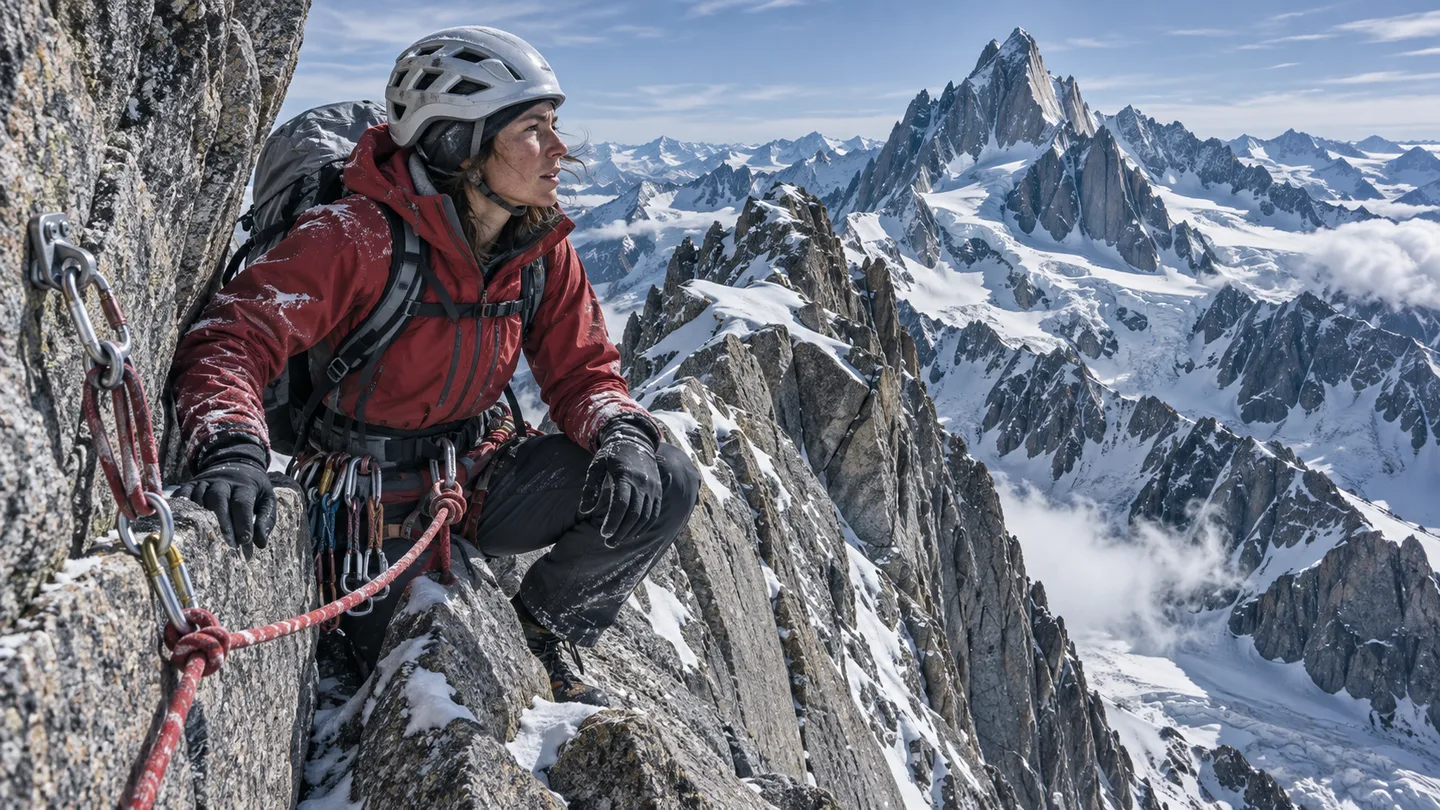
Three checks before you commit
Find the last secure stance
We place a sheltered stance below the exposed slab. From it, the player can inspect the seam and decide where to stop if the next hold is out of reach.
Read the rock from where you stand
A dry seam and a shadowed ledge offer different clues about footing. We test that both are visible before the climber shifts their weight.
Rehearse the way down
We play the retreat as carefully as the ascent. A clear anchor and a remembered landmark should let the player return to shelter when the weather turns.
How the design comes together
A route card begins with the last dependable stance and the options that follow it. Level design describes the shape of the pitch. Systems design works out what a player can still do after committing, including descent. Environment art checks how wind, cloud and shadow affect the reading of a crack or an edge. The interface makes changes in those conditions inspectable without obscuring the rock. We read a route in both directions because a line that communicates well during ascent can become confusing after a change of light. The Expedition Notes describe the evidence that should be visible before a player reaches a place where turning back is hard.
A second review asks what a person can explain after putting the route card down. They might remember a red mark and forget the place where a turn actually occurs. We can use that answer to improve the view at the last stance instead of adding a bigger marker farther up. Another pass checks whether the same decision can be read from a text description. The review keeps the ascent and descent apart long enough to see which clues belong to each. The route becomes a better design study when it can be described clearly from both sides of the notch.
See Above the Cloud Line for an example.